
Winter changes daily rhythms for everyone, but for older adults the season brings specific challenges: fewer daylight hours, icy walkways, and a natural pull toward staying inside. That pull can quietly turn into isolation if no one is paying attention.
The Hidden Risks of Winter for Older Adults
Shorter days mean less natural light, which can affect mood and sleep. Ice and snow raise fall risk on any outdoor walkway, even a short one. And the instinct to simply stay inside more, while reasonable, can slowly narrow a Resident’s world if it isn’t balanced with intentional indoor engagement.
How We Keep Movement Going When It’s Cold Outside
Movement doesn’t pause just because the weather does. We rely on indoor walking routes through common areas, keep pathways monitored and treated the moment weather turns, and shift outdoor activities indoors rather than cancel them outright. A short walk to a sunlit common room can do almost as much good as one outdoors, on the days when going outside isn’t an option.
Combating the Winter Slump
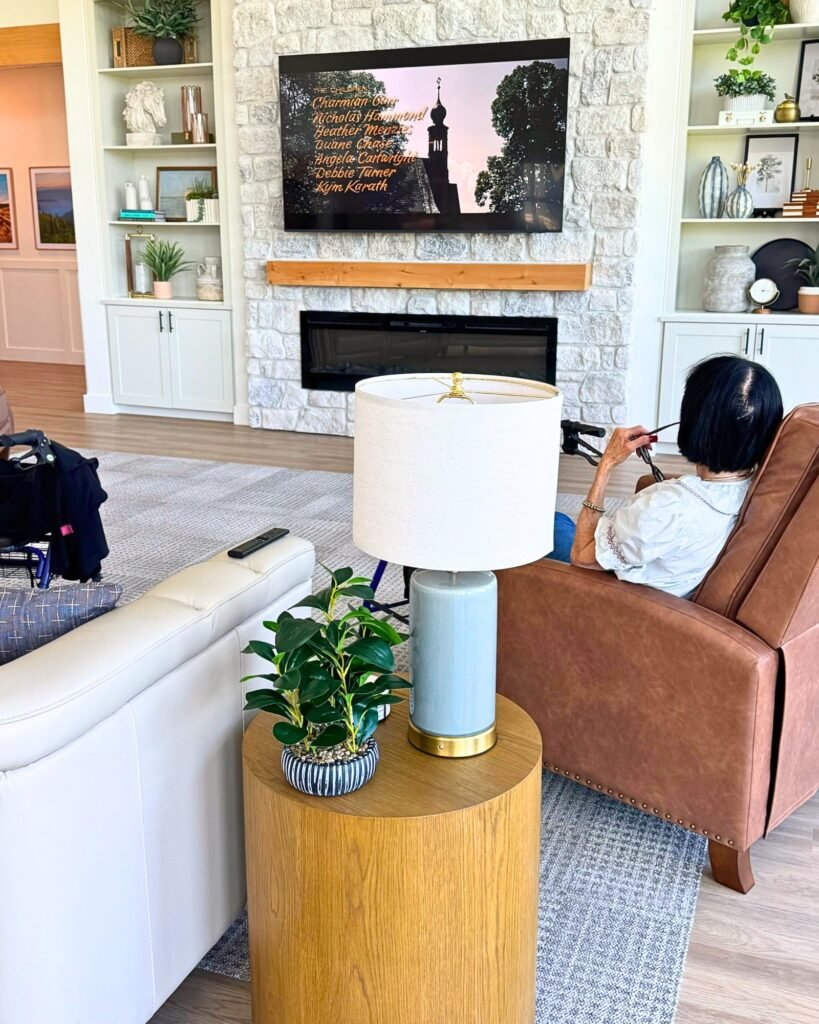
Natural light exposure genuinely helps regulate both mood and sleep, so we make a point of using our sunniest common spaces more deliberately in winter months. The activities calendar doesn’t go quiet just because it’s cold. If anything, we lean into it more, since winter is exactly when a full, engaging day matters most.
What Families Can Do When Visiting Is Harder in Winter
Idaho winters make travel harder for everyone, especially family members visiting from farther away. A video call on a snowy Sunday still counts. A card or a photo sent in January means more than families sometimes expect. And when in-person visits are possible, timing them around a clear-weather window rather than a fixed day can make the trip easier on everyone.
A Season That Doesn’t Change What Matters
Families sometimes worry that a hard winter means a harder few months for their parent. Here’s what we want families to know: the standard of care and attention doesn’t fluctuate with the weather. The same staff, the same warmth, and the same daily rhythm continue, whether it’s snowing or not.
Questions to Ask About Winter Readiness on a Tour
- How are outdoor walkways monitored and treated during icy conditions?
- What happens to the activities calendar when outdoor plans aren’t possible?
- How do you help combat the isolation that can creep in during shorter, colder days?
- How are families kept updated when in-person visits are harder to manage?