
Ask most families in Star, Idaho (83669) what they picture when they hear “activities calendar” at an assisted living community, and the answer is usually the same: bingo, a movie in the common room, maybe a sing-along. Harmless, but forgettable, the kind of thing that fills an hour without really touching a person’s day.
At The Ponderosa Estate, we think about engagement differently. The goal isn’t to fill time. It’s to give each Resident a reason to look forward to it.
Why Mental Engagement Matters as We Age
Staying mentally and socially engaged is one of the most consistently supported ways to support overall wellbeing later in life: mood, sense of purpose, and day-to-day sharpness are all connected to it. The instinct to “take it easy” and let a loved one rest more is understandable, but rest without engagement often does the opposite of what families hope. A day with nothing to look forward to tends to feel longer, not easier.
The Problem With “Filling Time”
Not all activity is equal. There’s a real difference between a scheduled group activity that happens at Residents and something that happens with them built around what they actually find satisfying. A former teacher handed a coloring sheet isn’t engaged. A former teacher invited to lead a short discussion on a topic she knows well is.
How We Build Purposeful Days at 16 Residents
This is where a smaller community changes what’s possible. With a maximum of 16 Residents, our staff has the time to actually know what each person finds meaningful, not just their diagnosis or their dietary restrictions, but who they were and what they’re still proud of. A former gardener gets a bed to tend. Someone who spent forty years running a household finds satisfaction in folding napkins for dinner service. A former engineer is handed something to organize. These aren’t token gestures, they’re built around real biography.
What Purposeful Engagement Looks Like Day to Day
- Music tied to a Resident’s own era, not a generic playlist
- Guest visitors and small group conversations, not just passive entertainment
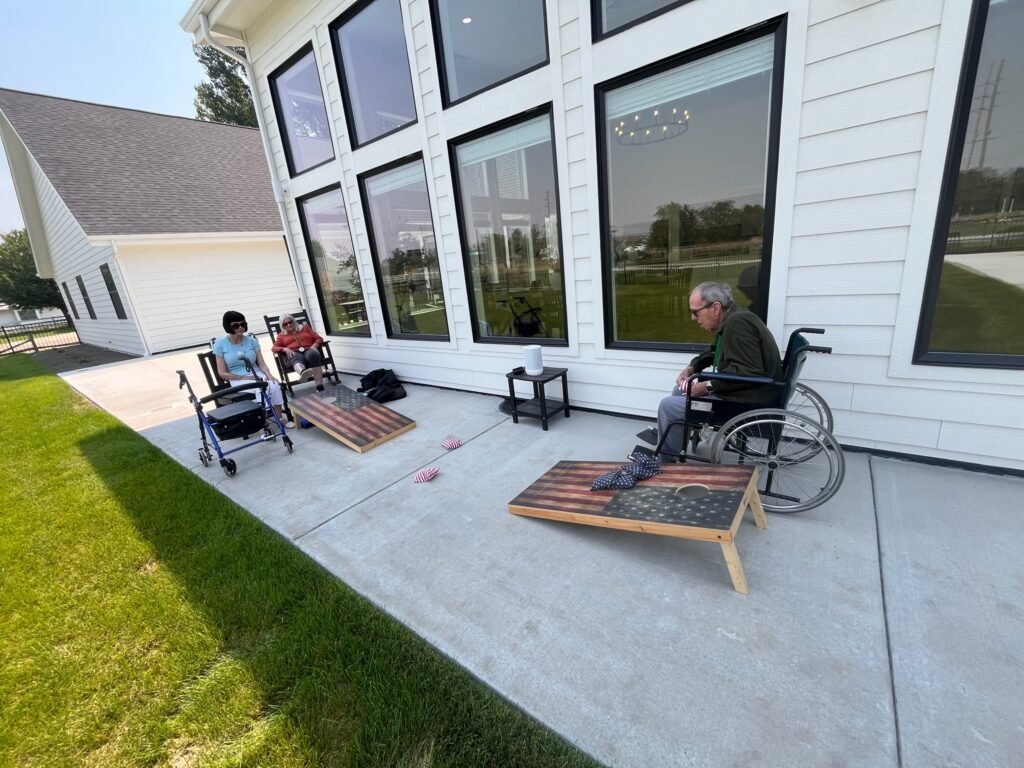
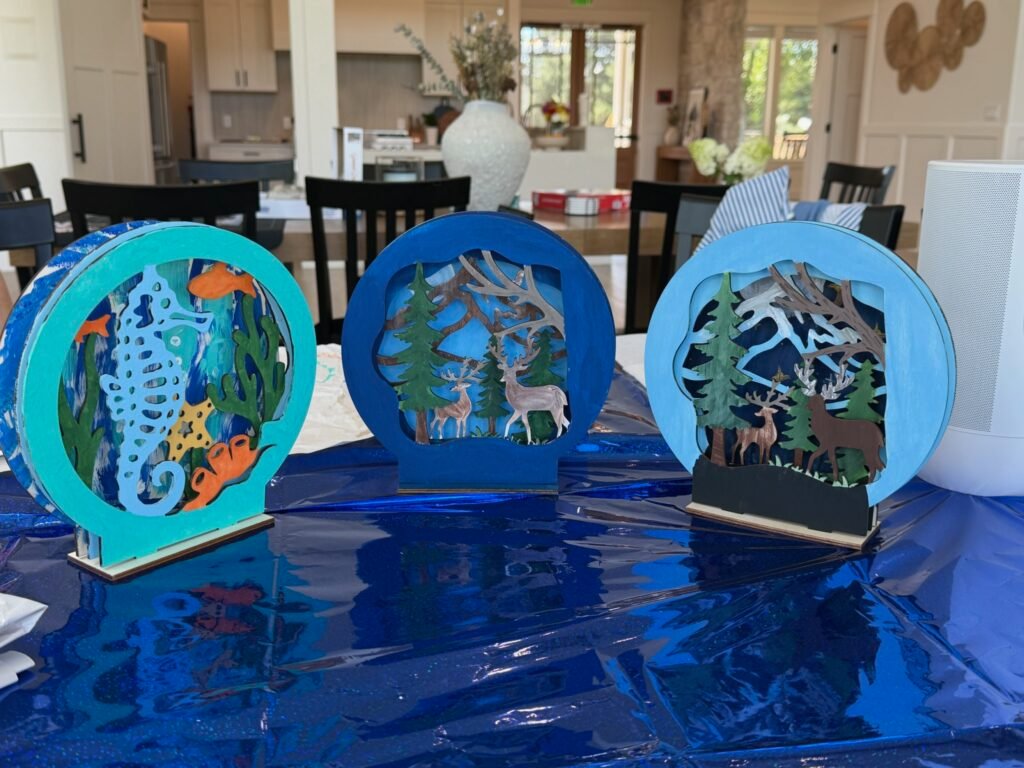
- Seasonal outings and creative activities that change with the calendar
- Small roles and contributions: setting a table, tending a plant, helping welcome a new Resident
- Residents choosing how and whether to participate, rather than being assigned to a group
How Families Can Help
You know things about your loved one that we can only learn over time: what they were proud of, what they used to do every Sunday, what used to make them light up. Sharing that with our team early lets us build their days around it faster. Bringing a few hobby materials, photos, or even just a good story about who they were at 40 does more than any generic program could.
Questions to Ask on a Tour
- How does your team learn what a Resident actually finds meaningful, beyond a standard intake form?
- Is the activities calendar the same for everyone, or built around individuals?
- Do Residents have chances to contribute or lead, not just attend?
- How do you keep engagement going for a Resident who doesn’t enjoy group settings?